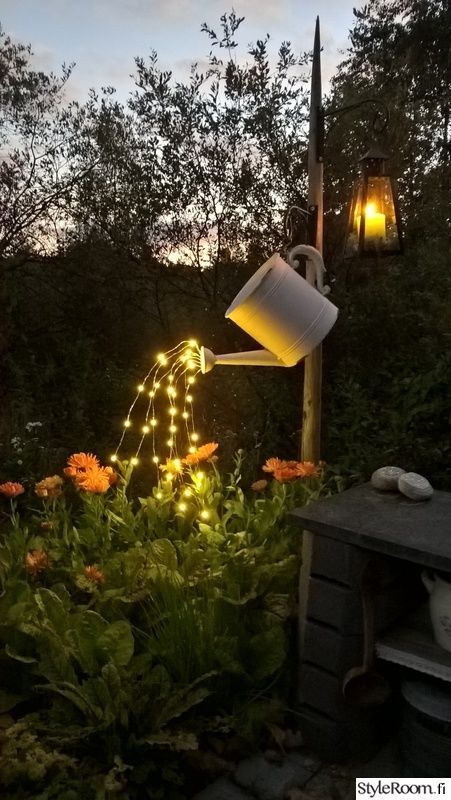
Add fairy lights to outdoor products this fall and light up the garden!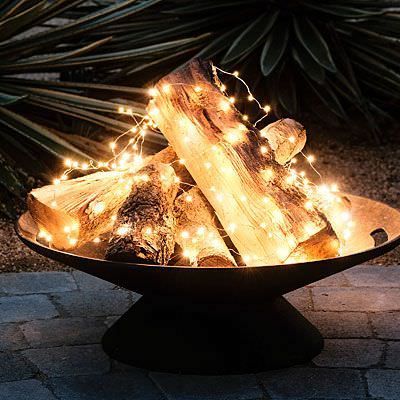
Author: Kimberly Davenport
Ginger
Gingers are one of the most beautiful and colorful flowers in the world of flowers. Botanically, Ginger is a rhizome of the perennial herb which is indigenous to the South west coast of India and the Malabar coast of the state of Kerala. Gingers, a multifaceted herb,enjoy a special position in the botanical kingdom with their elegance in form, texture, sparkling color, and amazing symmetry. The word ginger conjures up images of an exotic oriental food flavoring; however, edible ginger – Zingiber officinale, is only one of approximately 1,300 species of the very diverse Zingiberaceae family

Eye On The Prize

Eyes On The Prize
“Focused, hard work is the real key to success. Keep your eyes on the goal, and just keep taking the next step towards completing it. If you aren’t sure which way to do something, do it both ways and see which works better.”
— John Carmack
This perky fellow was posting a lookout in the branches of a tree above one of the bird feeders in my backyard, trying to judge when it was safe to try his hand at raiding the feeder (again). As I’ve mentioned before, these crazy red fox squirrels put on quite an entertaining show as they try to scam birdseed (they like the sunflower seeds the best) from the bird feeders. The antics and acrobatics involved can keep one constantly entertained. 🙂
Sunday Surprise
Best Summer Berry Trifle
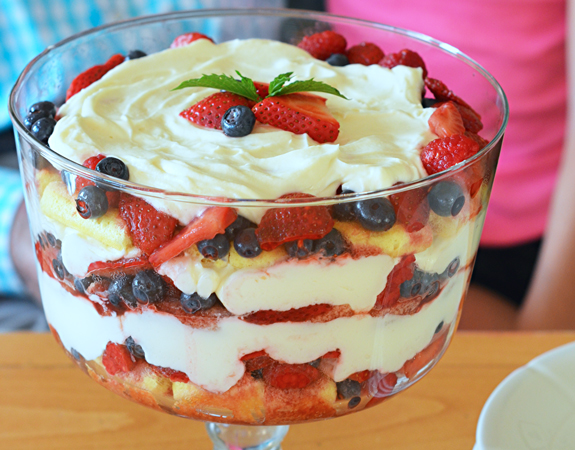
Berry trifles are wonderful summer desserts — they’re simple, gorgeous and you can make them ahead of time. Here’s the key to making them taste as good as they look: don’t use imitation whipped cream, instant pudding or store bought cake! No need to make everything from scratch either. After many trials, I discovered three cheats for making a delicious and easy trifle: (1) store bought lady fingers are just as good (in fact, better) than homemade cake, (2) an easy cream cheese-whipped cream filling makes an excellent substitute for homemade pudding, and (3) tossing the berries with a good quality raspberry jam enhances the fruit flavor and creates a delicious syrup that melds the trifle together. This one is perfect for the 4th!
Ingredients
- 3/4 cup (8 oz) seedless raspberry jam
- 1 quart (1-1/2 pounds) strawberries, hulled and cut into 1/4-inch slices
- 1 pint (12 oz) raspberries
- 1 pint (12 oz) blueberries
- 16 ounces cream cheese (preferably Philadelphia brand), at room temperature
- 1-3/4 cups confectioners’ sugar
- 1-1/2 cups heavy whipping cream, cold
- 1 teaspoon vanilla extract
- 1 (7 oz) package crisp lady fingers (also called savoiardi biscuits)
- Fresh mint spring, for garnish (optional)
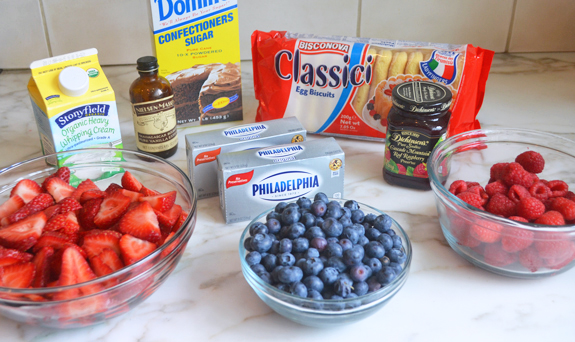
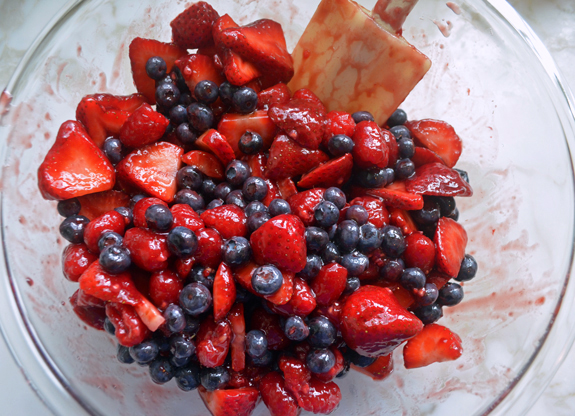
To begin, warm the raspberry jam in the microwave. Toss it with the berries and let it sit while you prepare the rest of the trifle.
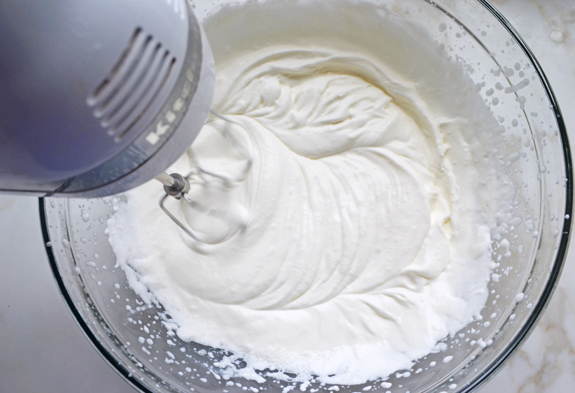
Beat the heavy cream until stiff peaks form, then set aside.
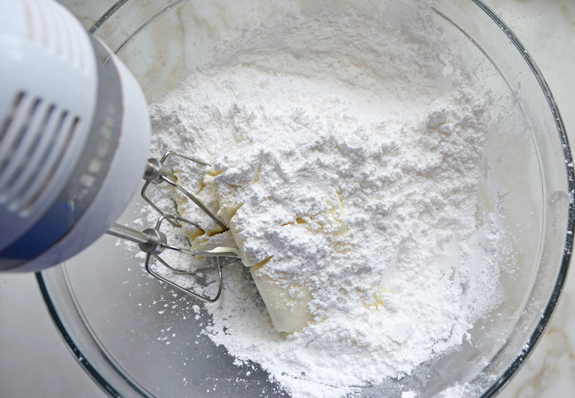
In a large bowl, beat together the softened cream cheese and Confectioners’ sugar.
Add the vanilla and beat until smooth and creamy.
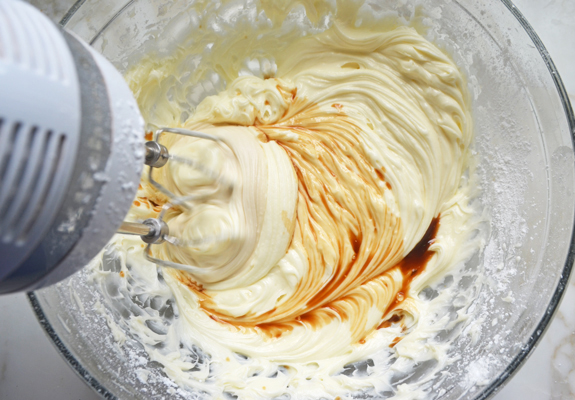
Beat in a third of the whipped cream, then add the rest to the bowl and fold in with a large rubber spatula.
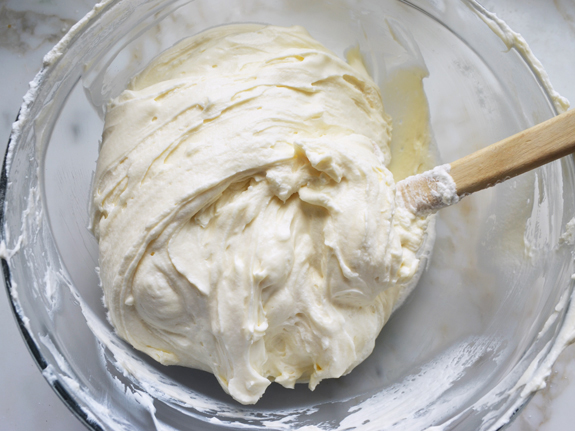
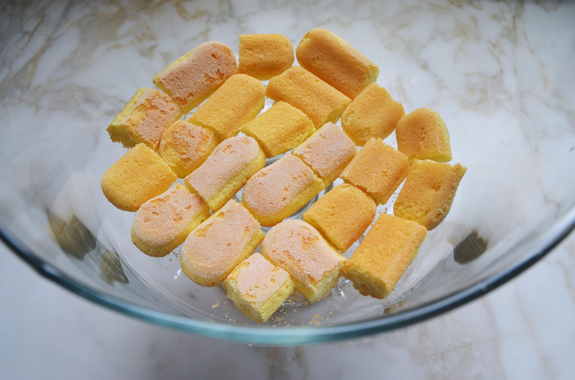
To assemble the trifle, begin by layering the lady fingers in the bottom of the trifle dish.
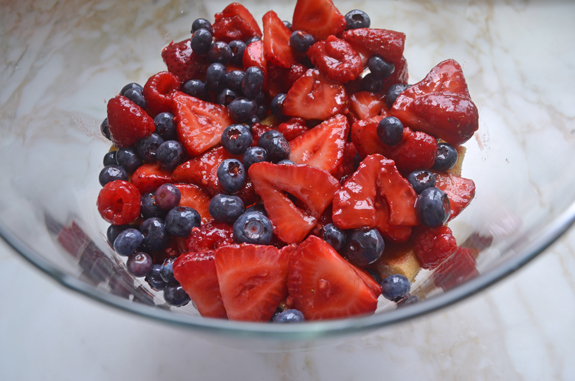
Top with a third of the berry mixture.
Followed by a third of the cream.
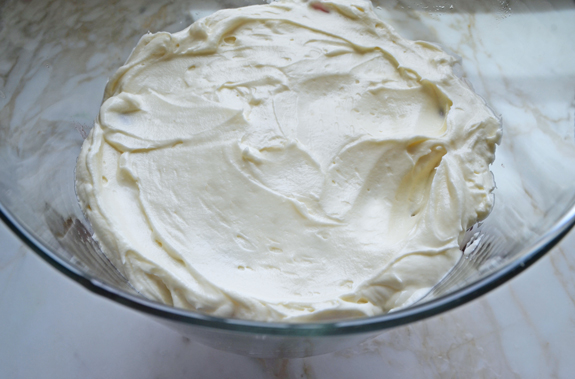
Continue alternating until all of the ingredients are used up, ending with the cream.
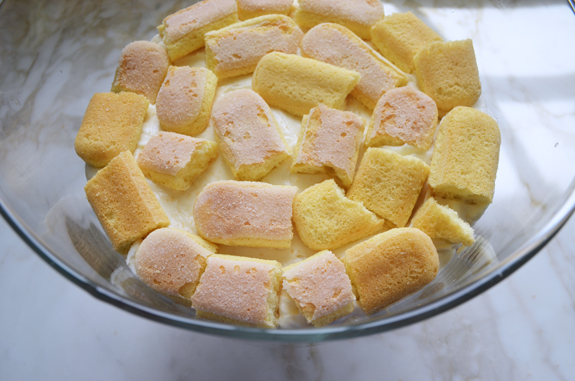
Let the trifle chill for at least 8 hours, then top with some fresh berries and a spring of fresh mint, if desired.
Run For the Roses
https://www.kentuckyderby.com/history/traditions/garland-of-roses
Camillia
The most familiar and iconic of these winter-blooming shrubs are Camellia japonica, Asian natives that arrived in the United States around 1798. Despite their aura of Southern gentility, they were introduced in the chilly Northeast and became a status symbol among those who could afford greenhouses where they could be grown. Decades later these tender plants became popular in the milder South, where they could thrive outdoors in all their abundance and diversity.
Camellia flowers are universally adored for their gentle, regular form and their pure colors. ‘Otome’ (left) is a deeply venerated Japanese variety with porcelain-like flowers and delicate veining.
The Wild Orchid will be using camillias in flower arrangements this Mothers Day.

by them selves they are gorgeous and when added to other flowers just stunning
Butterfly Garden
Butterflies not only add to the beauty of our garden but they also help with pollinating flowers. There are over 500 known species of butterflies in Canada and United States, that help the flowers grow. I have gathered these easy handmade ways to make butterfly feeder. These are great for attracting bugs and birds along with butterflies in your garden/ backyard. And lots of fun to make with kids.
Make butterfly feeder
Instant feeder for your garden made from sponges and plastic plate. Butterflies love red, orange, purple and yellow, they have good color vision.
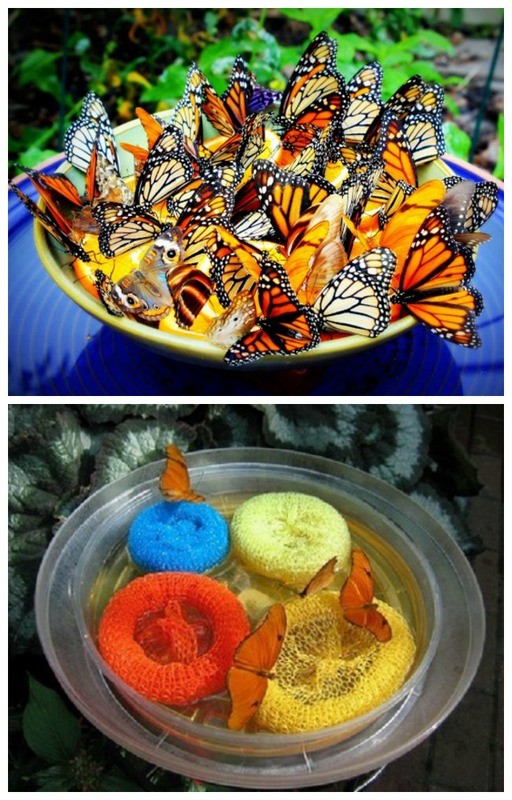
Make butterfly nectar:
Mix 4 parts water with 1 part sugar and boil for a few minutes until the sugar dissolves. Cool the nectar thoroughly before adding it to the feeder. Large batches can be made and stored in the fridge for 3-4 weeks.